
Dental Health & Tips

Latest Dental Care Articles

Helpful dental tips, treatment information and expert guidance from Sai Manasa Dental Clinic to help you and your family maintain healthy and confident smiles.

Oral and maxillofacial surgery Oral Surgery
July 28, 2026 Sai Manasa Dental Clinic

When Is Oral Surgery Necessary?

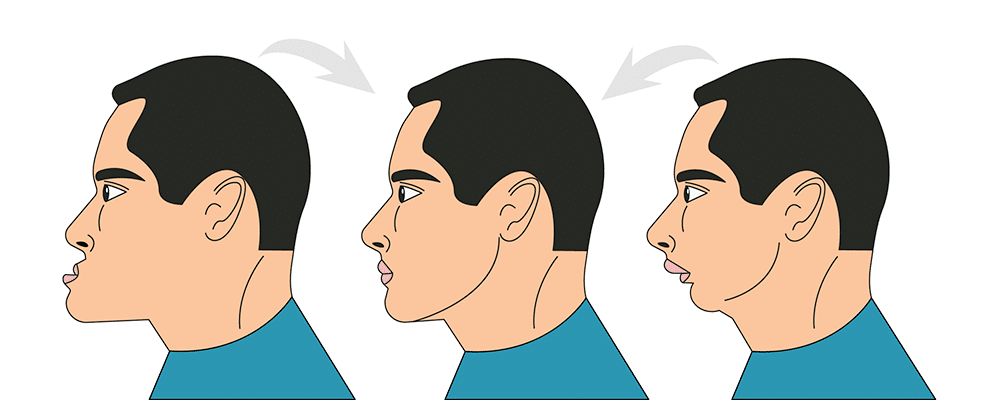
Oral and maxillofacial surgery focuses on diagnosing and treating conditions that affect the mouth, palate, and mouth. This special surgery addresses topics such as wisdom teeth extraction, jaw replacement, rhinoplasty, and cosmetic surgery.

Read More →

Why Regular Dental Checkups Are Important for Children

Children's dental care

Good dental habits begin during childhood. The health of a child's teeth and gums can influence eating, speaking, confidence and the development of permanent teeth. Regular dental checkups give parents and children an opportunity to identify dental problems early and learn simple habits that support a healthy smile.

Many parents wait until their child complains of tooth pain before visiting a dentist. However, a dental checkup is not only about treating pain. Preventive visits allow the dentist to examine the teeth and gums, monitor development and identify problems that may not yet be causing noticeable symptoms.

Why Are Children's Dental Checkups Important?

Children's mouths change quickly as baby teeth appear, become loose and are gradually replaced by permanent teeth. Regular examinations help the dentist follow these changes and provide age-appropriate guidance.

A routine dental appointment may include an examination of the teeth and gums, professional cleaning when appropriate, discussion of brushing and dietary habits, and additional diagnostic procedures when clinically necessary.

1. Early Detection of Cavities

Tooth decay can develop before a child experiences significant pain. During a dental examination, the dentist can look for early signs of cavities and other changes affecting the teeth.

Detecting a problem early can help the dentist discuss suitable treatment and preventive measures with the parents. This can also help prevent a small dental problem from becoming a larger one.

2. Monitoring Tooth Development

Baby teeth play an important role during childhood. They help children chew food, support speech development and maintain space while the permanent teeth develop.

Regular visits allow the dentist to monitor how the teeth are developing and identify concerns involving eruption, spacing or alignment.

3. Building Good Oral Hygiene Habits

Children often need guidance to develop effective brushing and flossing habits. A dental visit provides an opportunity to explain oral hygiene in a simple and age-appropriate way.

Parents can also learn how to help younger children brush effectively and how to encourage consistent daily routines.

4. Understanding the Role of Diet

What children eat and drink can affect their teeth. Frequent sugary foods and drinks can increase the risk of tooth decay.

During a dental consultation, parents can discuss practical food and drink choices and ways to build healthier daily habits.

5. Identifying Orthodontic Concerns Early

Tooth alignment and jaw development can change as a child grows. A dentist may identify signs that require observation or an orthodontic evaluation.

Early assessment does not necessarily mean that a child needs immediate orthodontic treatment. It simply helps the dental team understand development and determine whether further monitoring or evaluation is appropriate.

How Can Parents Make Dental Visits Easier?

Parents can help children develop a positive attitude toward dental appointments by speaking about the dentist in a calm and positive way. Regular visits can also make the dental environment more familiar and comfortable.

  • Encourage regular brushing.
  • Make dental appointments part of the normal routine.
  • Encourage children to ask questions.
  • Avoid presenting dental visits as something to fear.
  • Follow the dentist's individual recommendations.

When Should a Child Visit the Dentist?

Parents should not wait for severe pain or a dental emergency before arranging a dental visit. The American Dental Association recommends that a child's first dental visit occur within six months after the first tooth appears and no later than the first birthday.

Conclusion

Regular dental checkups are an important part of a child's overall oral care. Early examinations can help identify dental concerns, monitor development and teach children habits that can support their oral health as they grow.

If you are looking for professional dental care for your child, Sai Manasa Dental Clinic, Hanamkonda, Warangal can help you understand your child's dental needs and appropriate preventive care.

Give your child a healthy start to a confident smile.

Dental Implants: A Modern Solution for Missing Teeth

Dental implants

Missing teeth can affect much more than the appearance of a smile. Depending on the location and number of missing teeth, a person may experience difficulty chewing, changes in speech or reduced confidence.

Dental implants are one option used to replace missing teeth. An implant-based restoration is designed to replace the missing tooth structure with a restoration supported by an implant placed in the jaw.

What Is a Dental Implant?

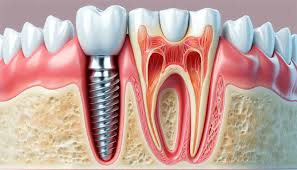
A dental implant is a small component placed in the jaw as part of an implant-supported tooth replacement. After appropriate healing and assessment, the implant can support a dental restoration such as a crown.

Treatment is planned according to the individual's dental condition, bone situation, oral health and overall treatment requirements.

Why Do People Consider Dental Implants?

A missing tooth can make everyday activities such as chewing or speaking less comfortable. Some people also feel self-conscious about a visible gap in their smile.

Implant-supported restorations can provide a fixed tooth-replacement option for selected patients and can be designed to look natural as part of a comprehensive treatment plan.

Benefits of Dental Implants

1. Replacement of Missing Teeth

Dental implants can be used as part of treatment to replace individual missing teeth or, in appropriate cases, to support more extensive tooth replacement.

2. Natural-Looking Appearance

The final dental restoration can be designed to complement the surrounding teeth and the patient's smile.

3. Support for Chewing Function

Replacing a missing tooth can help restore the ability to chew more comfortably. The exact outcome depends on the patient's dental condition and the completed restoration.

4. Fixed Tooth Replacement

Unlike removable appliances, an implant-supported restoration is designed to remain in place after treatment.

What Happens During Dental Implant Treatment?

Dental implant treatment normally begins with a detailed consultation. The dentist examines the teeth and gums and evaluates the area where the tooth is missing.

Diagnostic imaging may be recommended when clinically necessary to evaluate the treatment area and assist with planning. Current ADA recommendations emphasize using dental imaging when it is clinically necessary and appropriate for the individual patient.

Step 1: Consultation

The dentist discusses the missing tooth, dental history, oral health and treatment goals.

Step 2: Examination and Planning

The treatment area is assessed and the dentist determines whether additional treatment is required before implant placement.

Step 3: Implant Placement

When implant treatment is appropriate, the implant component is placed according to the planned surgical procedure.

Step 4: Healing

Healing takes time and varies between patients. The dental team monitors the treatment area during follow-up appointments.

Step 5: Final Restoration

Once the treatment reaches the appropriate stage, the final restoration can be planned and fitted.

Who May Be a Candidate for Dental Implants?

Implant treatment is not identical for every patient. The dentist needs to evaluate the condition of the gums, available bone, remaining teeth, oral hygiene and other relevant health factors.

In some cases, additional procedures or preliminary dental treatment may be required before implant treatment can proceed.

How Should Dental Implants Be Maintained?

Good oral hygiene remains important after implant treatment. Regular brushing, appropriate cleaning between teeth and professional dental examinations can help maintain the health of the surrounding tissues.

Conclusion

Dental implants can provide a modern option for selected patients who need to replace missing teeth. A detailed dental examination is important before deciding whether implant treatment is appropriate.

At Sai Manasa Dental Clinic, Hanamkonda, Warangal, patients can discuss their missing-tooth concerns and receive an individualized treatment plan.

Restore your smile with a personalized dental consultation.

Braces or Aligners: Which Treatment Is Right for Your Smile?

Orthodontic treatment

Tooth alignment can affect the appearance of a smile, but orthodontic treatment is also concerned with how the teeth meet and function. Crowding, spacing and certain bite problems can sometimes be addressed with orthodontic treatment.

Two commonly discussed options are traditional braces and clear aligners. Both are designed to move teeth, but they work in different ways and may be suitable for different treatment situations.

What Is Orthodontic Treatment?

Orthodontics focuses on the diagnosis, prevention and correction of problems involving tooth alignment and bite. Treatment can help create a healthier and more functional relationship between the upper and lower teeth.

What Are Traditional Braces?

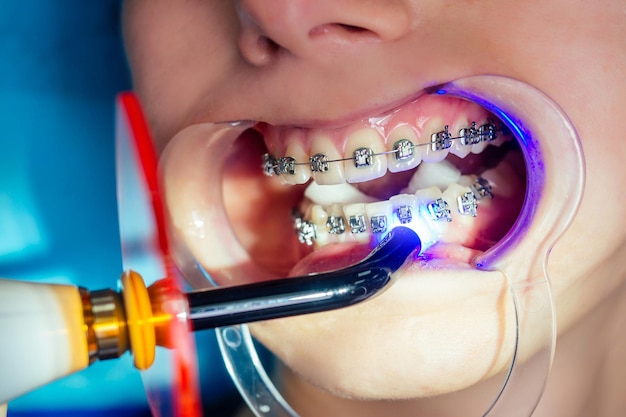
Traditional braces use brackets attached to the teeth and orthodontic wires to apply controlled forces. Adjustments are performed during scheduled appointments according to the treatment plan.

Braces are available in different designs, and the appropriate type depends on the patient's orthodontic requirements.

What Are Clear Aligners?

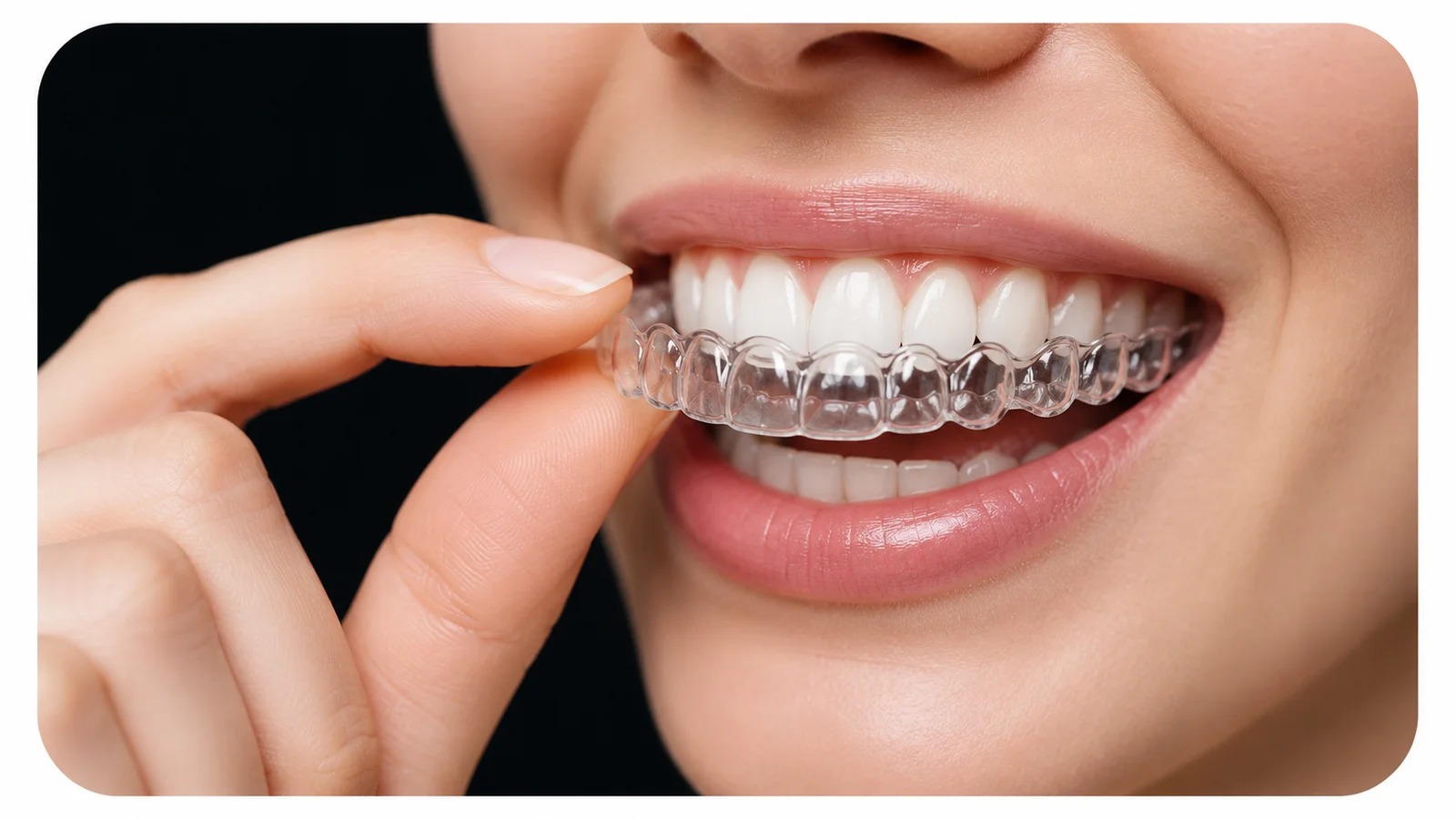
Clear aligners are removable trays designed to fit the patient's teeth. A series of aligners can be used to gradually move teeth according to a customized treatment plan.

Because aligners can be removed for eating and oral hygiene, they may be an attractive option for selected patients.

Braces vs Aligners

Feature Braces Clear Aligners
Visibility Brackets and wires are visible Designed to be less noticeable
Removal Fixed during treatment Removable
Eating Food choices may need consideration Removed during meals
Cleaning Requires careful cleaning around brackets and wires Teeth can be cleaned after removing aligners
Treatment suitability Suitable for many orthodontic problems Suitable for selected cases

Which Problems Can Orthodontic Treatment Address?

  • Crowded teeth
  • Spacing between teeth
  • Some overbite problems
  • Some underbite problems
  • Some crossbite problems
  • Other tooth-alignment concerns

How Do You Choose Between Braces and Aligners?

There is no single orthodontic treatment that is right for everyone. The choice depends on the type and severity of the alignment problem, the patient's age, treatment goals, oral hygiene and the dentist's or orthodontist's assessment.

Clear aligners may provide convenience for selected cases, while braces may be recommended when fixed appliances provide better control for the required tooth movements.

Why Is the Consultation Important?

An orthodontic consultation allows the dental professional to examine the teeth and bite before recommending a treatment option.

The dentist can discuss the expected treatment process, approximate duration, appointments, oral hygiene requirements and retention after treatment.

Maintaining Results After Orthodontic Treatment

Orthodontic treatment does not end when the active tooth movement is complete. Retainers are commonly used after orthodontic treatment to help maintain the achieved tooth positions.

Conclusion

Both braces and clear aligners can play an important role in orthodontic treatment. The appropriate option depends on the individual dental condition rather than simply choosing the most convenient-looking appliance.

If you are considering orthodontic treatment in Hanamkonda or Warangal, a professional consultation at Sai Manasa Dental Clinic can help you understand your available options.

Start your journey toward a healthier, better-aligned smile.

Signs You May Need a Root Canal Treatment

Root canal treatment

Tooth pain can have many possible causes. Sometimes sensitivity may be related to a relatively minor dental problem, while persistent pain or other symptoms may indicate a problem inside the tooth.

Root canal treatment is a dental procedure used to treat problems affecting the inside of a tooth. The purpose is to remove diseased or infected tissue, clean the inside of the tooth and seal it so that the natural tooth can be preserved when appropriate.

What Is Root Canal Treatment?

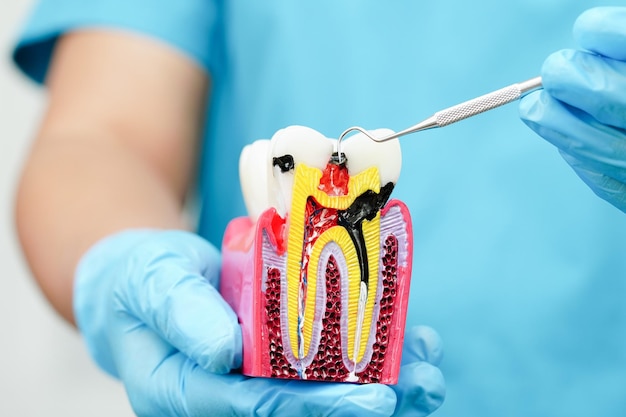
Inside a tooth is a space containing the dental pulp, which contains nerves and blood vessels. If the pulp becomes inflamed or infected, treatment may be required.

During root canal treatment, the dentist accesses the inside of the tooth, removes the affected tissue, cleans and shapes the root canal system, and seals it.

Signs That Should Not Be Ignored

1. Persistent Tooth Pain

Tooth pain that continues or repeatedly returns should be evaluated by a dentist. Persistent pain can have several causes, so a professional examination is important before determining the appropriate treatment.

2. Sensitivity to Hot or Cold

Strong or lingering sensitivity to hot or cold foods and drinks may indicate a problem requiring dental evaluation.

The duration and character of sensitivity are important details that the dentist will consider during diagnosis.

3. Pain While Biting or Chewing

Pain when biting or chewing may occur with several dental conditions, including problems involving the tooth itself. A dental examination can help determine the cause.

4. Swelling Around the Tooth

Swelling around a tooth or gum area can be associated with infection and should be evaluated promptly.

5. Darkening or Discoloration of a Tooth

A tooth that changes colour may require examination. Discoloration can occur for different reasons, and the dentist will evaluate the tooth along with the other symptoms and clinical findings.

What Causes the Need for Root Canal Treatment?

Deep tooth decay, dental trauma, cracks or other problems can affect the pulp inside a tooth. When the pulp is significantly damaged or infected, root canal treatment may be considered.

What Happens During a Root Canal?

Step 1: Examination

The dentist examines the tooth and reviews the patient's symptoms and dental history. Diagnostic imaging may be recommended when clinically necessary.

Step 2: Local Anaesthesia

Appropriate local anaesthesia is used to help make the procedure comfortable.

Step 3: Cleaning the Root Canal

The dentist accesses the inside of the tooth and removes the affected tissue before cleaning the canal system.

Step 4: Sealing

After cleaning and shaping, the root canal space is sealed according to the treatment plan.

Step 5: Restoring the Tooth

Depending on the condition of the tooth, a final restoration such as a crown may be recommended to restore strength and function.

Does Root Canal Treatment Save the Natural Tooth?

One of the important goals of root canal treatment is to treat the diseased tissue while preserving the natural tooth when possible.

Whether the tooth can be preserved depends on factors such as the amount of remaining tooth structure, infection, cracks and overall dental condition.

When Should You See a Dentist?

If you experience persistent tooth pain, swelling, significant sensitivity or pain while chewing, it is better to arrange a dental examination rather than waiting for the symptoms to become severe.

Conclusion

Root canal treatment can be an important treatment option when the inside of a tooth becomes damaged or infected. Early professional evaluation can help identify the cause of symptoms and determine whether the natural tooth can be treated and preserved.

Don't ignore persistent tooth pain. Schedule a dental evaluation.

How Dental Crowns and Bridges Restore Your Smile

Dental crowns and bridges

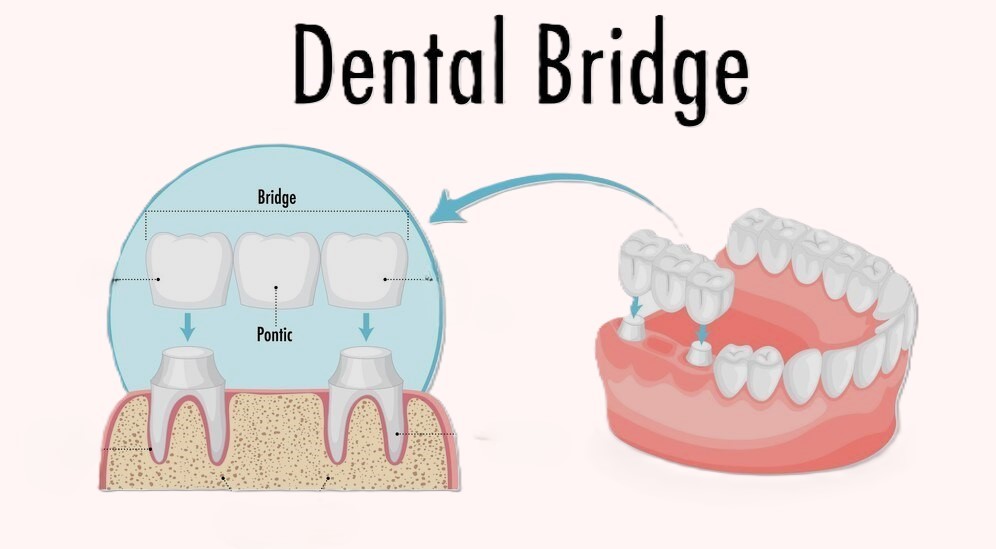
Damaged or missing teeth can affect the appearance of your smile as well as everyday functions such as chewing. Dental crowns and bridges are restorative treatment options that may help restore the appearance and function of selected teeth.

Although crowns and bridges are both fixed dental restorations, they serve different purposes. A crown is generally used to cover and restore a damaged tooth, while a bridge can be used to replace a missing tooth or teeth in selected situations.

What Is a Dental Crown?

A dental crown is a custom-made restoration that covers a prepared tooth. It can be used when a tooth has lost significant structure and requires additional restoration.

Crowns may also be used as part of other restorative treatments, depending on the patient's dental condition.

When Might a Crown Be Recommended?

  • A tooth has significant structural damage.
  • A tooth has been weakened after treatment.
  • A large restoration requires additional protection.
  • A tooth requires a restoration for functional or aesthetic reasons.

What Is a Dental Bridge?

A dental bridge is a fixed restoration designed to replace a missing tooth or teeth by using support from the surrounding dental structures or, in some cases, implants.

The design of a bridge depends on the location of the missing tooth, the condition of the neighbouring teeth and the patient's overall treatment requirements.

Benefits of Dental Crowns and Bridges

1. Restoring Tooth Function

A properly planned restoration can help restore chewing function and make everyday activities more comfortable.

2. Improving Smile Appearance

Crowns and bridges can be designed to complement the surrounding teeth and improve the appearance of a smile.

3. Replacing Missing Teeth

Bridges can provide one option for replacing selected missing teeth without leaving an open space in the smile.

4. Supporting Dental Rehabilitation

Restorations can form part of a larger treatment plan designed to restore dental function and appearance.

What Is the Crown or Bridge Treatment Process?

Consultation

The dentist first examines the tooth or missing-tooth area and discusses the patient's concerns and goals.

Treatment Planning

The condition of the teeth, gums and surrounding structures is assessed before deciding on the most suitable restoration.

Tooth Preparation

If a crown or conventional bridge is planned, the relevant tooth or teeth may need to be prepared for the restoration.

Impression or Digital Scan

Information about the teeth is collected so that the final restoration can be designed appropriately.

Final Restoration

The completed crown or bridge is fitted and checked for appearance, comfort and function.

How Should Crowns and Bridges Be Maintained?

A restored tooth still requires regular oral hygiene. Brushing twice a day, cleaning between teeth and attending regular dental examinations can help maintain the surrounding teeth and gums.

Your dentist may provide specific cleaning instructions depending on the type and location of the restoration.

Are Crowns and Bridges Right for Everyone?

Not every restoration is appropriate for every patient. The dentist needs to evaluate the condition of the teeth, gums and surrounding structures before recommending a treatment.

Conclusion

Dental crowns and bridges can play an important role in restorative dentistry. They can help restore damaged teeth, replace selected missing teeth and improve the appearance and function of a smile.

A consultation at Sai Manasa Dental Clinic, Hanamkonda, Warangal can help you understand which restorative options may be appropriate for your dental condition.

Restore your smile and get back to comfortable everyday function.

When Is Oral Surgery Necessary?

Oral and maxillofacial surgery

Oral surgery includes surgical procedures used to diagnose or treat certain conditions affecting the mouth, jaws and related oral structures. Surgery is recommended only when it is appropriate for the patient's specific condition.

Many dental problems can be treated without surgery. However, some conditions require a surgical approach when simpler treatment options are not suitable or sufficient.

What Is Oral and Maxillofacial Surgery?

Oral and maxillofacial surgery is a dental specialty involving the diagnosis and surgical treatment of diseases, injuries and defects affecting the oral and maxillofacial region.

Common Situations That May Require Oral Surgery

1. Wisdom Tooth Problems

Wisdom teeth can sometimes become impacted or develop in a position that causes problems. Depending on the clinical situation, removal may be recommended.

A dentist or oral surgeon evaluates the tooth position, surrounding structures and symptoms before recommending treatment.

2. Severely Damaged Teeth

When a tooth cannot be restored using appropriate restorative treatment, extraction may sometimes be considered.

3. Dental Infections

Some dental infections require prompt treatment. Depending on the source and severity of the infection, treatment may involve drainage, tooth treatment, extraction or another appropriate procedure.

4. Impacted Teeth

A tooth that does not erupt normally may become impacted. Treatment depends on the tooth involved, its position and the patient's overall dental condition.

5. Jaw-Related Conditions

Certain conditions affecting the jaw may require specialist assessment and, when indicated, surgical management.

Why Is a Dental Examination Important Before Surgery?

Surgical treatment requires careful diagnosis and planning. The dentist or oral surgeon reviews the patient's symptoms, medical and dental history and clinical findings.

Dental imaging may be used when clinically necessary. Current ADA recommendations emphasize selecting dental imaging based on the patient's clinical circumstances rather than ordering imaging automatically.

What Happens Before an Oral Surgery Procedure?

The dental professional explains the condition and discusses the proposed procedure. The patient should understand the purpose of treatment, expected recovery, possible risks and aftercare instructions.

What Can Patients Expect After Oral Surgery?

Recovery varies according to the procedure and the individual patient. Aftercare instructions may include guidance about eating, oral hygiene, medication, physical activity and follow-up appointments.

Patients should follow the instructions provided by their dental professional and contact the clinic if they experience unexpected or worsening symptoms.

Is Oral Surgery Always Necessary?

No. The need for surgery depends on the individual diagnosis. Some dental problems can be treated with fillings, root canal treatment, periodontal care, orthodontic treatment or other non-surgical options.

A professional examination is therefore essential before deciding whether surgery is appropriate.

Conclusion

Oral surgery can be an important part of dental care when a patient's condition requires surgical treatment. The decision should be based on a detailed examination and an individualized treatment plan.

If you have persistent dental pain, a problematic wisdom tooth, swelling or another dental concern, consult a qualified dental professional for an appropriate evaluation.

Get your dental concern evaluated before it becomes a bigger problem.

Invisalign Aligners in Hanamkonda, Warangal: A Clear & Comfortable Way to Straighten Your Teeth

Invisalign clear aligners

A straight and confident smile can make a positive difference in the way you look and feel. Crooked, crowded or spaced teeth can affect the appearance of your smile and, in some cases, the way your teeth meet.

Invisalign aligners offer a clear and removable option for selected tooth-alignment problems. They are designed to provide a discreet alternative to traditional fixed braces for appropriate patients.

What Are Invisalign Aligners?

Invisalign aligners are a series of clear, removable trays designed to fit over the teeth. Each aligner is planned to apply controlled pressure to selected teeth according to an individualized treatment plan.

Instead of using brackets and wires, clear aligner treatment uses a sequence of customized trays to gradually guide teeth toward planned positions.

How Do Invisalign Aligners Work?

Treatment begins with a dental consultation and assessment. The dentist evaluates the patient's teeth, bite and treatment goals.

When clear aligner treatment is appropriate, the treatment is planned according to the required tooth movements. A series of aligners is then provided, and each aligner is worn according to the instructions given by the dental professional.

Follow-up appointments allow the dentist to monitor progress and make sure the treatment is proceeding as planned.

What Dental Problems Can Invisalign Help With?

Crowded Teeth

Crowding occurs when there is insufficient space for teeth to align properly. Depending on the severity and cause of the crowding, clear aligners may be considered as part of an orthodontic treatment plan.

Gaps Between Teeth

Spaces between teeth can affect the appearance of a smile. Selected spacing problems can be addressed with clear aligner treatment.

Overbite

An overbite describes an overlap between the upper and lower front teeth. Some overbite cases may be suitable for aligner treatment following professional assessment.

Underbite

An underbite occurs when the lower teeth extend in front of the upper teeth. Treatment options depend on the underlying dental and skeletal factors.

Crossbite

A crossbite occurs when some upper teeth bite inside the lower teeth. Selected cases may be treated with orthodontic appliances after appropriate assessment.

Benefits of Invisalign Aligners

1. Clear and Discreet

The transparent appearance of clear aligners makes them less noticeable than many traditional braces.

2. Removable

Aligners can be removed when eating and during routine oral hygiene, according to the treatment instructions.

3. Easier Oral Hygiene

Because the aligners can be removed, patients can brush and clean their teeth without fixed brackets and wires in the way.

4. Comfortable Design

Clear aligners are made from smooth material and are designed to fit over the patient's teeth. Some temporary pressure or discomfort can occur when teeth are being moved.

5. Fewer Food Restrictions

Since aligners are removed for eating, patients do not have the same fixed-bracket food considerations that may accompany traditional braces.

6. Customized Treatment

Clear aligner treatment is planned according to the patient's individual tooth positions and treatment objectives.

Who Can Consider Invisalign Aligners?

Invisalign may be considered for selected teenagers and adults with appropriate tooth-alignment problems. However, clear aligners are not automatically suitable for every patient or every orthodontic condition.

A dental examination is necessary to determine whether aligner treatment is appropriate for the individual patient's needs.

Invisalign Treatment Process at Sai Manasa Dental Clinic

1. Consultation

The dentist discusses your smile concerns, dental history and treatment expectations.

2. Digital Assessment

The teeth and bite are evaluated to understand the alignment problem and determine whether clear aligners may be suitable.

3. Treatment Planning

A customized treatment plan is prepared according to the patient's dental condition and desired treatment objectives.

4. Clear Aligners

A sequence of aligners is provided according to the treatment plan. Patients are instructed on how to wear, remove and care for their aligners.

5. Follow-Up Visits

Regular appointments allow the dental team to monitor tooth movement and treatment progress.

6. Retention

After active orthodontic treatment, retainers may be recommended to help maintain the achieved tooth positions.

How Long Does Invisalign Treatment Take?

Treatment duration varies from person to person. Factors such as the complexity of tooth movement, treatment goals, patient compliance and the individual response to treatment can influence the overall duration.

During your consultation, the dentist can provide a more individualized estimate based on your specific dental condition.

How to Care for Invisalign Aligners

  • Remove aligners according to your dentist's instructions.
  • Clean your teeth regularly.
  • Clean your aligners as instructed by your dental professional.
  • Store aligners safely when they are not being worn.
  • Avoid exposing the aligners to inappropriate heat.
  • Attend scheduled follow-up appointments.

Invisalign vs Traditional Braces

Feature Invisalign Aligners Traditional Braces
Appearance Clear and less noticeable Brackets and wires are visible
Removable Yes No
Eating Removed during meals Food considerations may be required
Cleaning Easy access to teeth after removal Requires careful cleaning around brackets and wires
Suitability Selected orthodontic cases Many orthodontic cases

Are Invisalign Aligners Painful?

Some patients experience temporary pressure, tightness or mild discomfort when starting a new aligner. This sensation can occur because the aligner is applying controlled force to move the teeth.

If you experience significant or persistent discomfort, contact your dental professional so the issue can be evaluated.

Frequently Asked Questions About Invisalign

Can I Eat While Wearing Invisalign?

Aligners are generally removed during meals according to the treatment instructions provided by your dental professional.

Can I Brush My Teeth Normally?

Yes. The aligners can be removed so that you can maintain your normal oral hygiene routine.

Can Teenagers Use Invisalign?

Clear aligners may be suitable for selected teenagers, depending on dental development, treatment needs and the ability to follow the treatment instructions.

Are Invisalign Aligners Suitable for Everyone?

No. Treatment suitability depends on the patient's individual tooth positions, bite and orthodontic requirements. A professional assessment is necessary.

Do I Need Follow-Up Appointments?

Yes. Follow-up appointments are an important part of orthodontic treatment because the dentist needs to monitor progress and make adjustments to the treatment plan when necessary.

Why Choose Sai Manasa Dental Clinic, Hanamkonda, Warangal?

Choosing an orthodontic treatment should begin with a proper dental assessment. At Sai Manasa Dental Clinic, patients can discuss their smile concerns and understand whether clear aligners or another orthodontic treatment may be appropriate.

The treatment approach is based on the individual's dental condition, alignment requirements and treatment goals.

Conclusion

Invisalign aligners can provide a clear and removable orthodontic option for selected patients. They can help address certain crowding, spacing and bite problems while offering a discreet alternative to traditional braces.

The best way to know whether Invisalign is suitable for you is to have your teeth and bite professionally evaluated.

If you are considering Invisalign aligners in Hanamkonda or Warangal, Sai Manasa Dental Clinic can help you understand your orthodontic treatment options.

Book a dental consultation at Sai Manasa Dental Clinic, Hanamkonda, Warangal, and take the first step toward a healthier, more confident smile.
Need Dental Care?

Let Us Help You Achieve a Healthy, Confident Smile

Visit Sai Manasa Dental Clinic in Hanamkonda for professional dental care for you and your family.

Book Appointment
Book Appointment